

Peller and Jarvis traditional wedding unfolded with over 50,000 fans watching across YouTube and Twitch, celebrities circulating through the ceremony, international supporters showing up in person, and one overseas fan handing over a $20,000 gift. Not long after, Peller announced the white wedding would be limited to 100 invited guests.
How Peller and Jarvis Built Nigeria’s Most Public Romance
For years, the TikTok creators turned their relationship into shared national content. Livestreams captured the chemistry, the arguments, the reconciliations, the family introductions, the proposal, the civil ceremony, and finally the elaborate Edo-inspired traditional rites. Millions of Nigerians did not simply learn about the couple after the fact. They lived inside the relationship in real time. Every milestone arrived with the same immediacy as a favorite series dropping a new episode.
This is the new normal for Nigerian influencers. Romance no longer develops behind closed doors and later surfaces polished for the public. It develops in the comments section. Viewers feel they have earned a seat at every table because the creators invited them there, repeatedly, for years. The emotional investment runs deep precisely because the access felt continuous and unfiltered.

Why Peller and Jarvis’ White Wedding Will Have Only 100 Guests
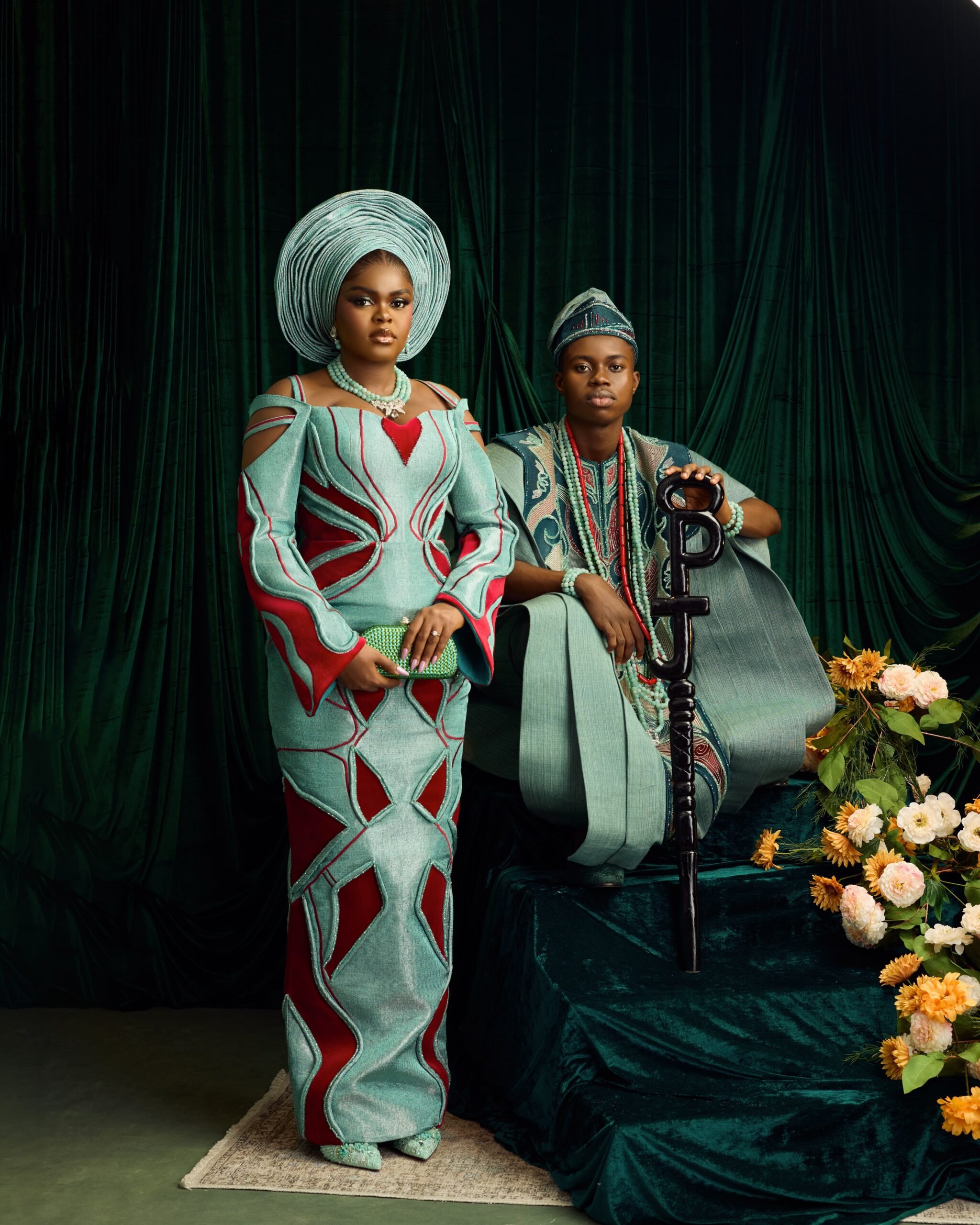
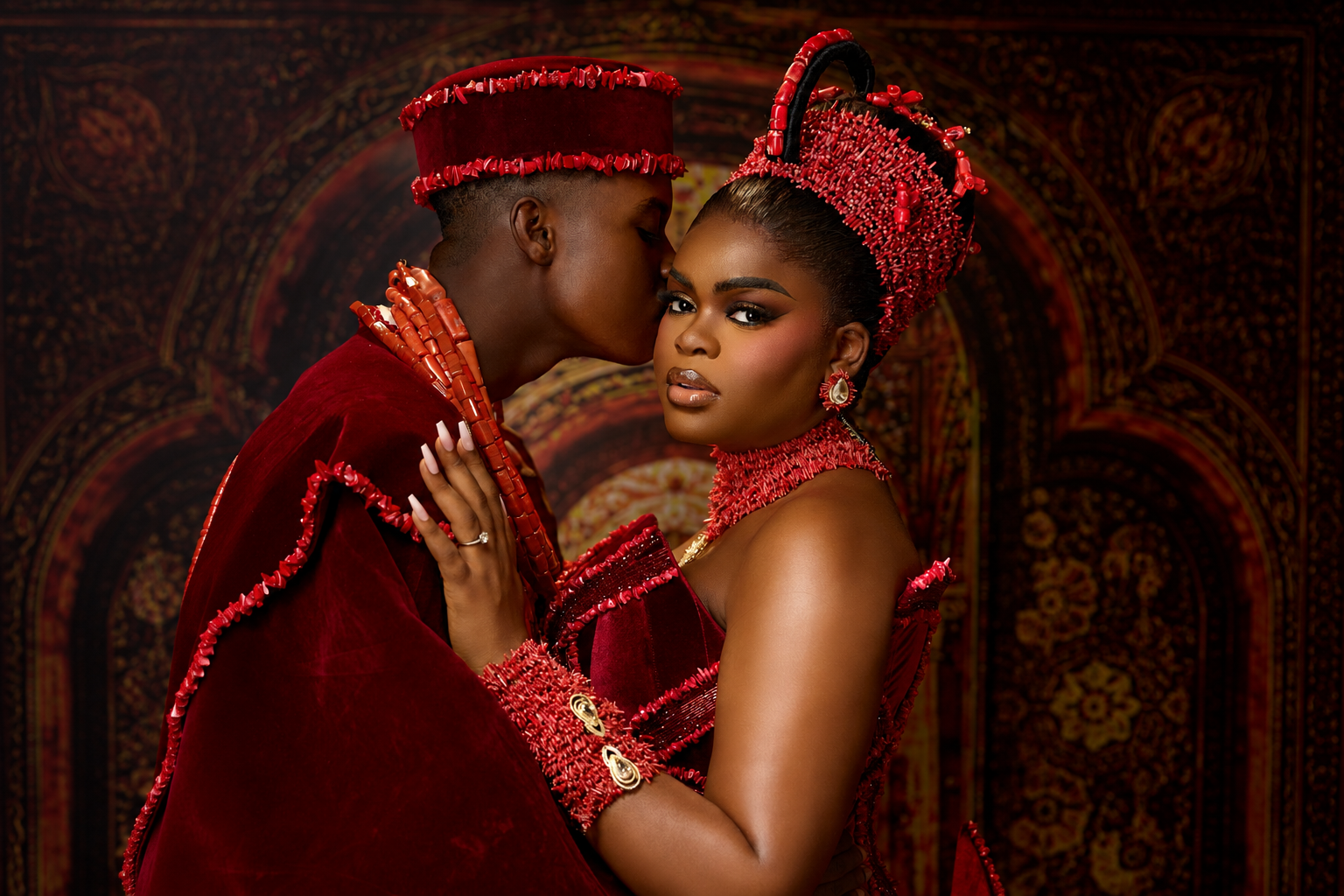
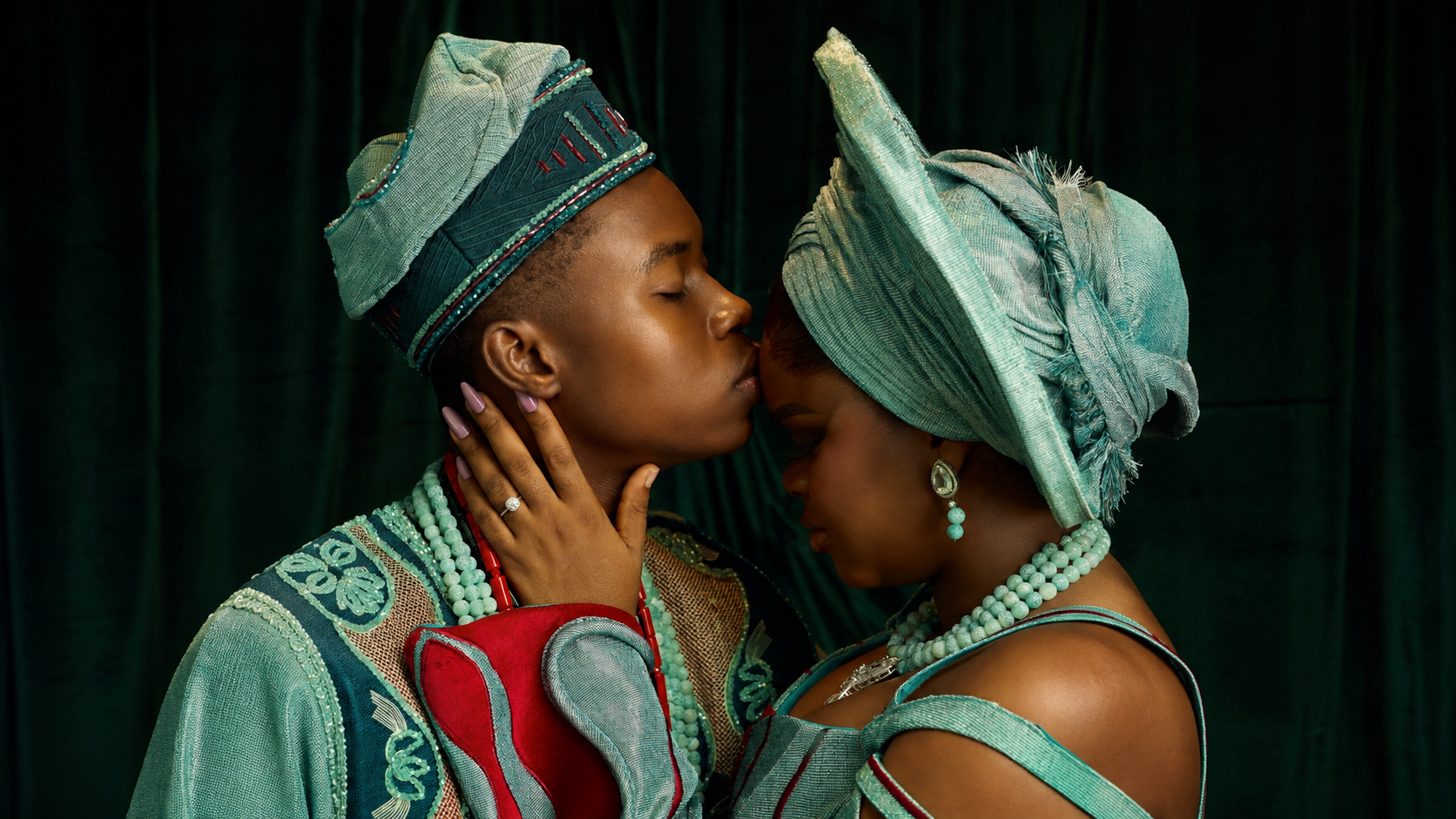
The traditional wedding gave the audience what it had come to expect: full visibility. Coral beads, symbolic staff, romantic kiss, mother coordinating every detail, famous faces in the crowd. It was entertainment and ritual at once, broadcast live so no one had to miss a second. The white wedding, by contrast, treats the same union as something smaller and more guarded. One hundred people. Strict invitation only. The difference is not accidental. It marks the boundary between what belongs to the feed and what still belongs to the couple.
Influencer culture has spent a decade erasing the boundary between what belongs to the feed and what still belongs to the couple.The line between performance and private life dissolves until every personal moment risks becoming content. Sharing everything eventually stops feeling generous and starts feeling extractive.
Why Millions of Nigerians Feel Invested in Peller and Jarvis’ Relationship
When a relationship plays out publicly for so long, fans begin to treat it as collective property. They have watched the story unfold. They have sent gifts, prayers, and money. They have defended the couple in comment wars. In that context, restricting the white wedding can feel like a sudden closed door. The sense of entitlement is real, and it is one of the more complicated side effects of social media intimacy. Creators cultivate closeness for professional survival; audiences then demand the closeness continue without interruption.
Yet the demand is unsustainable. No one can live every significant life event under continuous observation without losing something essential. Privacy, once assumed, has become a scarce resource for digital celebrities. The more successful the public persona, the harder it becomes to keep any space truly off-camera. Choosing to protect the white wedding is therefore less a rejection of fans and more an assertion that some moments still require oxygen the internet cannot supply.
What Peller and Jarvis’ Wedding Says About Nigerian Influencer Culture
Peller and Jarvis are not alone. Across the world, creators who once streamed every waking hour now pull selected experiences offline. Weddings, births, grief, quiet evenings at home. these are the moments increasingly marked as non-negotiable private territory. In Nigeria’s booming creator economy, where TikTok and livestream culture dominate, the move carries particular weight. The traditional wedding proved the couple could command massive attention. The white wedding decision shows they are willing to forgo some of that attention when the occasion demands it.
This does not mean they have suddenly become private people. Their careers still thrive on visibility. It simply means they are testing a more selective version of openness. Public access remains the business model. Personal intimacy is being reclaimed as something separate.
The story is bigger than one couple’s wedding calendar. It reflects an evolving understanding inside influencer culture itself. After years of treating every life event as potential content, creators are starting to decide which moments belong to the audience and which still belong to themselves. Privacy, it turns out, is becoming the ultimate luxury and the most deliberate choice a digital celebrity can make.
Author